What We Do

In all of our activities, WIEGO seeks to increase the voice, visibility, and validity of the working poor, especially women, in the informal economy:

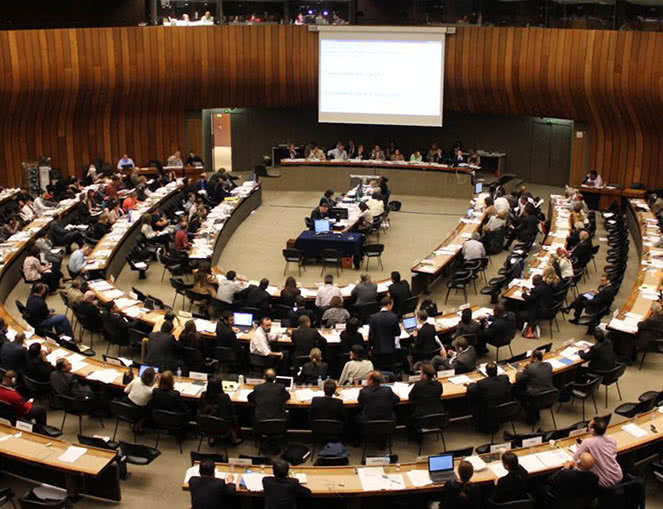
  • Increased Voice – by supporting and strengthening organizations of the working poor, networking and linking such organizations and helping them to gain representation in the policy-making and rule-setting bodies that affect their work and lives.
  • Increased Visibility – by undertaking and sponsoring research; helping to develop and improve official labour force and other economic statistics on informal employment and the informal economy; and convening and participating in research conferences.
  • Increased Validity – by promoting mainstream recognition of the working poor in informal employment as legitimate economic agents who contribute to the overall economy and are, therefore, legitimate beneficiaries of economic and social policies; and by promoting the incorporation of the working poor into policy-making and rule-setting processes.

Most of WIEGO’s activities fall under our five Core Programmes:

Our Organization and Representation Programme seeks to help develop strong organizations of informal workers, linked together in sector networks as well as to the trade union and cooperative movements; and to foster international recognition and effective informal worker representation in national and international forums relevant to their work and lives. The Programme does so by providing capacity-building support to the organizations and networks; building substantial knowledge of informal worker organizations through the development of a data base and case studies; and developing materials and training resources to enhance the understanding of the working poor, their rights as workers and citizens, and how they are inserted into national and global economies. It also aims to help develop confident and effective women leaders in all sectors of the informal economy.

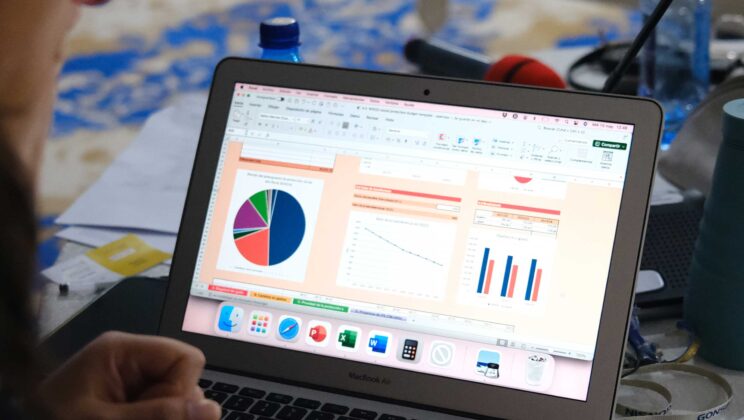
Our Statistics Programme seeks to develop statistics on the informal economy as an essential component of mainstream or official statistics at national, regional and international levels. The Programme does so by helping to improve classifications, concepts and methods for data collection and for estimating the contribution of informal employment to national economies; encouraging the expansion of the number of countries collecting these data; making statistical data and analysis on the informal economy available to policymakers, researchers and advocates in easily accessible formats; and preparing compilations of data and reports on the size, composition, and contribution of the informal economy and of the characteristics and situation of those who work in it. It also promotes the formation of networks of researchers to analyze data on informal sector and informal employment and related topics, contributing to the development of data resources for use by analysts.

Our Global Trade Programme seeks to investigate and highlight the impacts – both positive and negative – of global trade and investment policies on the livelihoods of the working poor, especially women, in the informal economy; and to help organizations of informal workers, especially those with women members and leaders, seize the opportunities and address the constraints posed by trade liberalization. The Programme has built up a body of knowledge and experience based on comparative studies, policy analysis, and advocacy in different countries of informal workers in selected global value chains: crafts, garments, non-timber forest products, and rural commodities.

Our Social Protection Programme aims to examine and highlight the risks faced by the working poor in the informal economy, and particularly the risks faced by women workers. The Programme does this by investigating how common contingencies affect informal workers in particular, how systemic shocks affect informal workers in particular, and how the nature of informal work creates shocks and risks specific to informal workers. In the short and medium term, it aims to identify, document, and promote innovative approaches to providing social protection to informal workers, extending the coverage of existing schemes or developing new schemes.

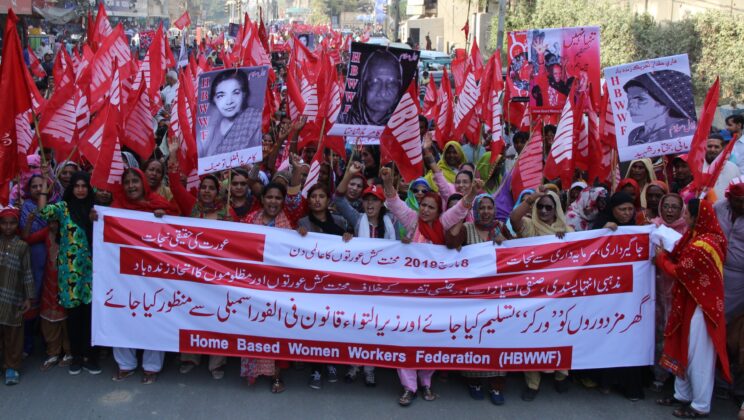
Our Urban Policies Programme seeks to enhance the capacity of the working poor in the informal economy – especially women, who are concentrated in the segments of informal employment with the lowest earnings and highest risks – to shape the urban policies and environment in which they live and work by having increased organizational strength, representative voice, and official visibility. This Programme is designed to help achieve secure and improved living/working environments for those in three sub-sectors of the urban informal workforce: home-based workers, street vendors, and waste pickers.

WIEGO also coordinates two Global Projects that involve partnerships with membership-based organizations of informal organizations and technical support from WIEGO and other organizations: one is called “Inclusive Cities for the Working Poor;” the other is called “Women’s Economic Empowerment.”

WIEGO often undertakes Special Initiatives that supplement or augment the activities of our core Programmes and Global Projects. These Special Initiatives include technical and policy dialogues; collaborative research and advocacy; commissioned research for international agencies; and conferences or public events. An example is a series of Exposure Dialogues that WIEGO has co-organized since January 2004 with Cornell University and the Self-Employed Women’s Association (SEWA) of India. These dialogues are designed to help bridge the perspectives on employment and labour markets of mainstream economists, SEWA activists, and WIEGO researchers.

WIEGO seeks to involve membership-based organizations (MBOs) of informal workers in the identification, prioritization and design of all of our activities. We also seek to disseminate the findings, data, and case studies generated – and related lessons learned – as widely as possible.